
Portraits as Business and Art
The Andy Warhol DiariesThis thread follows commissioned portraiture from a practical revenue stream to a signature, carefully managed process with artistic and commercial stakes.
increasing Bearing strength in each event
 decreasing
Bearing strength in each eventdecreasingA Steady Source of Income
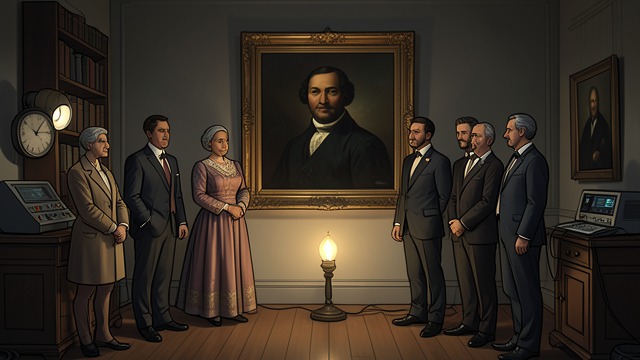
A Steady Source of Income
Commissions sustain the practice
Portrait commissions provided a major share of Warhol’s annual income, even while he produced work for gallery and museum shows.
Dealers, friends, and employees who brought commissions could receive a share, making portraiture part of the office’s business network.
Private sitters become subjects
The work extended Pop portraiture beyond celebrities to collectors and other non-show-business clients.
The Polaroid Session
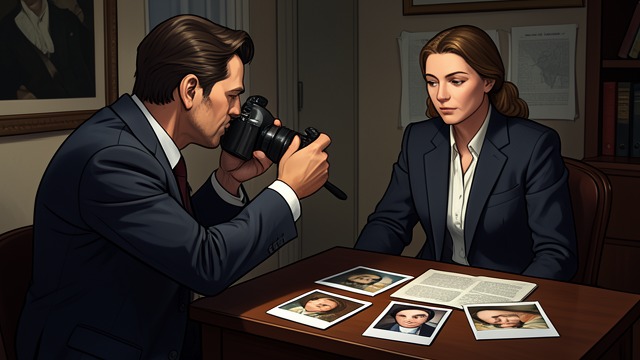
The Polaroid Session
Selecting a face
Warhol typically took about sixty Polaroids of a subject, then selected a small number for further development.
He cropped and altered the chosen image, adjusting features to make the sitter appear more attractive.
The client’s likeness
This procedure made portrait-making both a controlled artistic process and a form of personalized image management.
From Photograph to Screen
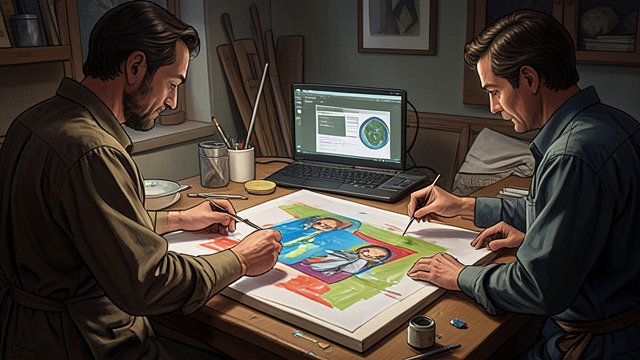
From Photograph to Screen
A collaborative production line
A screen printer made acetate positives from selected Polaroids and then prepared the silkscreen used for the painting.
Assistants prepainted canvases while Warhol traced images and added colored areas such as hair, eyes, clothing, or backgrounds.
Signature variation
Small misalignments between screen and painted color produced the shifting effect associated with Warhol’s portraits.
The Price of a Portrait
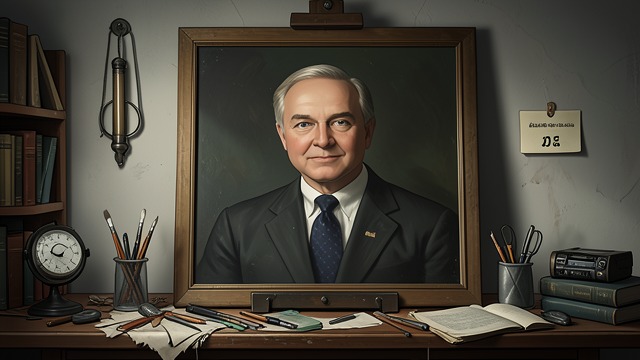
The Price of a Portrait
A standard commercial structure
A first portrait canvas generally cost about $25,000, with additional canvases priced lower.
The market price reflected not only the image but also the complicated sequence of photography, retouching, screen preparation, and painting.
Negotiation and expectation
Clients sometimes expected special treatment or discounts, while Warhol and his associates had to balance artistic choices against commercial demands.
A Portfolio of New Subjects
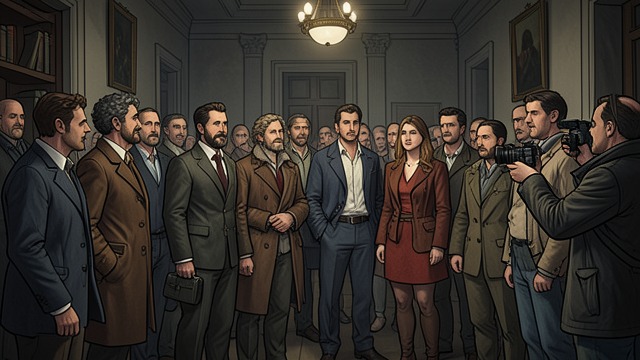
A Portfolio of New Subjects
Expanding the portrait field
Portrait projects included athletes, political figures, entertainers, and wealthy clients across the United States and Europe.
The commissions connected Warhol to new institutions and buyers while creating repeated travel and demanding photo sessions.
Risk of repetition
As portfolios grew, Warhol sometimes worried that commissions, familiar imagery, and commercial expectations were crowding out new ideas.
The 1970s
During the portrait boom
During the 1970s and 1980s
By the late 1970s
Early 1980s
